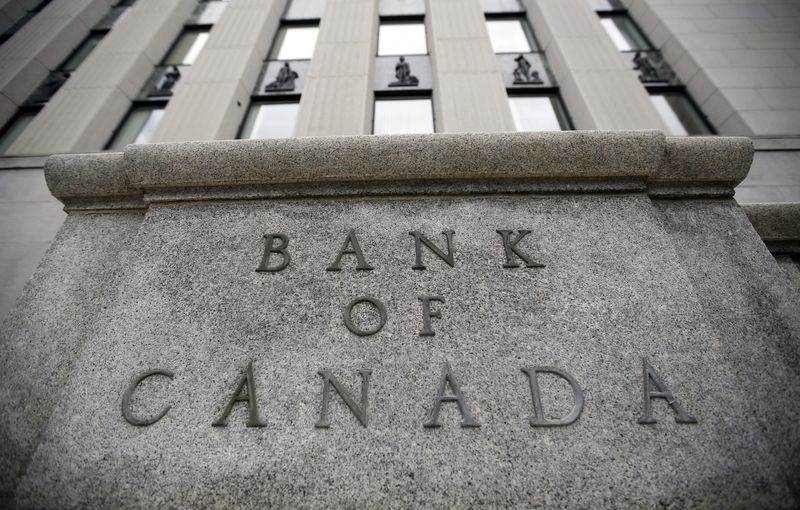
In the dynamic realm of global economics, the decisions made by central banks play a pivotal role in shaping the financial future. Recently, the Federal Reserve, following my earlier economic forecast, has maintained its key interest rates, signaling a future shift by announcing potential rate cuts in 2024. Concurrently, the Bank of Canada has taken a more cautious stance, emphasizing that it is premature to discuss rate cuts.
The intricacies of the relationship between the Federal Reserve and the Bank of Canada often echo the strong economic ties between the two nations. The Bank of Canada has traditionally aligned its interest rate policies with the Federal Reserve due to shared economic interests. However, the question arises: when should the Bank of Canada consider cutting rates in response to the Federal Reserve’s impending actions?
In contemplating this scenario, we can envision two distinct paths for the Bank of Canada.
Scenario 1: Managing Production Costs and Inflation
Suppose Canada aims to curtail production costs and combat inflation. In this case, a prudent strategy would involve initiating rate cuts approximately 2 to 3 months after the Federal Reserve takes similar actions. This delay allows for a strategic response to the market dynamics triggered by the initial rate cut.
As interest rates decline, the Canadian dollar’s (CAD) value relative to the U.S. dollar (USD) also decreases. Therefore, a delayed rate cut ensures that the CAD maintains a competitive edge, benefiting Canadian businesses by reducing the cost of production and fostering an environment conducive to tackling inflationary pressures.
Scenario 2: Facilitating Imports and Trade Expansion
Conversely, if the objective is to stimulate imports and enhance trade relationships, the Bank of Canada could contemplate a different timeline. In this scenario, the bank might consider cutting rates slightly ahead of the Federal Reserve, with a 2 to 3-month lead time.
By acting proactively, Canada can leverage the currency devaluation effect to make its imports more cost-effective. This approach is particularly beneficial when seeking to strengthen economic ties and maximize the benefits of favorable exchange rates, potentially boosting imports from strategic partners.
Corporate CFO Perspective: Strategic Planning for Exports
From the standpoint of a hypothetical Canadian corporation, timing becomes a critical factor in determining the most advantageous course of action. If I were the CFO, I would wait 2 to 3 months after the Federal Reserve’s rate cut. This strategic delay would enable the company to first benefit from reduced production costs and lower expenses on imported materials, subsequently positioning itself to capitalize on the favorable exchange rates for increased exports to the United States.
Last but not least, the intricate dance of interest rates between the Federal Reserve and the Bank of Canada reflects the nuanced economic strategies nations and corporations employ. The timing of rate cuts is a delicate balance, influenced by factors ranging from production costs and inflation to trade relationships and export ambitions. As the global economic landscape evolves, staying attuned to these intricacies is critical to making informed decisions in an ever-changing financial world.
 Moustafa Maher